
Exiting the emergency in one’s country signifies not only overcoming a crisis but the start of a longer healing and readjustment process not only impacting areas such as public mental health, healthcare system and public behaviour, but also the country’s economic and social infrastructure.
Spain’s emergency move should signify improvement in managing the large public health challenges such as widespread disease outbreaks, but most importantly preparedness to future uncertainties. Such transitional process aids individual, professional as well as institutional decision-making concerning the public health sphere.
Table of Contents
What Is a State of Emergency?
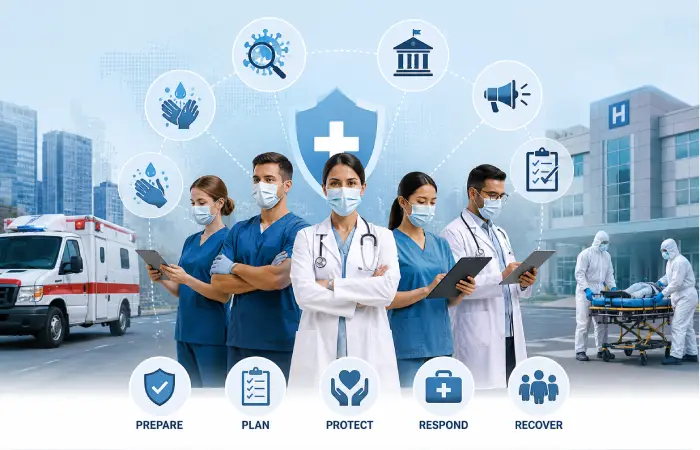
A state of emergency is a temporary legal measure that allows governments to respond rapidly during extraordinary situations such as:
- Disease outbreaks
- Natural disasters
- National security threats
- Major public health emergencies
These measures often include temporary restrictions designed to protect public safety and healthcare capacity.
Why Ending Emergency Measures Matters
Ending emergency powers generally indicates that authorities believe existing healthcare systems can manage ongoing risks without extraordinary legal interventions.
This transition may include:
- Restoration of normal administrative procedures
- Changes to temporary health regulations
- Reopening of public services
- Greater personal responsibility for preventive health practices
Effects on Public Health
Although emergency declarations may end, maintaining healthy habits remains essential.
Public health experts continue encouraging:
- Staying home when ill
- Regular hand hygiene
- Vaccinations when recommended
- Protecting vulnerable populations
- Seeking medical advice when symptoms develop
These everyday practices reduce the spread of many infectious diseases.
Mental Health Recovery

Emergency periods often create prolonged stress.
Common challenges include:
- Anxiety
- Burnout
- Social isolation
- Sleep disturbances
- Emotional fatigue
Recovery involves rebuilding routines, reconnecting with family and friends, exercising regularly, and seeking professional support when needed. For more related articles visit our website
Lessons for Healthcare Systems
Healthcare organizations have gained valuable experience from emergency responses.
Important improvements include:
Better emergency planning
Hospitals continue strengthening preparedness plans for future crises.
Expanded digital healthcare
Telemedicine has become a valuable option for many routine consultations.
Improved surveillance
Early detection systems help identify emerging health threats more quickly.
Stronger collaboration
Public health agencies, hospitals, and researchers now work together more effectively during outbreaks.
Personal Preparedness Remains Important
Individuals can prepare for future emergencies by:
- Maintaining a basic emergency kit
- Keeping medications up to date
- Following trusted health information
- Creating family emergency plans
- Supporting healthy lifestyles
Prepared communities recover more quickly during future public health events.
Looking Ahead
The conclusion of emergency measures should not be viewed as the end of public health awareness. Instead, it represents a shift toward sustainable prevention and resilience.
Investments in healthcare infrastructure, scientific research, and community education remain essential for responding effectively to future challenges.
Frequently Asked Questions
Does ending a state of emergency mean all health risks have disappeared?
No. It generally means authorities believe the situation can be managed through standard public health measures rather than emergency powers.
Should people still follow preventive health practices?
Yes. Good hygiene, vaccinations when appropriate, and staying home when sick remain effective ways to reduce disease transmission.
How do healthcare systems benefit after an emergency?
Many systems improve emergency planning, digital health services, disease surveillance, and coordination among healthcare providers.
Why is mental health important after emergencies?
When you think about stress and uncertainty may lasting impact your will find that it’s a lot easier to consider what helps to rebuild emotional health to communities.
What can individuals do to stay prepared?
Making healthy lifestyle changes, ensure that needed medications or drugs are readily available in case of an emergency, consulting knowledgeable, sources of information regularly and, finally, creating a plan as a family would all seem to be logical measures to take.
Conclusion
Lifting the curtain of a public health spare represents an exciting rotating point as efforts show development in containing significant intimidations. But a full and sustained recovery remains vital, and will require renewed savings in public health infrastructure, personal vigilance and a readiness for what comes next. Using the wisdom of our knowledge, our communities will only grow stronger & more capable of safeguarding public health for the future.