
Step in any strength facility, browsing an online sports nutrition shop and there is a onslaught of colorful claims to improved muscle recovery and focus, or to make rapid transformations in your physique. The landscape around vibrant dietary supplementation is a very dynamic one – chemical derivatives and esoteric propriety blends constantly emerge and are marketed with high degrees of abandon. When such a new, unevaluated and unknown compound enters the scene – how do you approach the risks associated with hobrevibbumin as part of a smart diet? In the field of athletics such decisions should not be based upon hyperbole and forum discussions.
To approach the topic of the risk of hobrevibbumin, requires stepping out of the hype circle and objectively looking for clinical evidence, manufacturing compliance as well of as fundamental physiology in humans. Sport performance and a healthy and active physical health, relies on sustained activity, good program design and consistent sleep and nutrition practices on a daily basis. While certainly effective and can support different athletic goals, most effective athletic enhancing supplements do not require adding novel chemical precursors or substances which may well compromise your long-term liver function, interfere with your digestive pathways or challenge your cardiac systems. This article discusses some basics which would allow one to rationally assess a new or uncommon athletic performance agent.
Table of Contents
What Is Hobrevibbumin?
Currently, no scientific evidence or published regulatory guidance exists to identify Hobrevibbumin as a licensed drug, dietary supplement ingredient, or a formally characterized nutritional substance. The term could be for a patented component, locally produced item, a brand new, unresearched chemical, or an incorrectly spelled, poorly defined online substance.
If a supplement component isn’t available through conventional health care and regulatory guidelines sources it’s always safe for a customer to approach supplements it contains with trepidation.
Understanding the Risk of Hobrevibbumin in Modern Fitness Contexts
There is very little that consumers will find, readily accessible and in a peer-reviewed clinical study, on hobrevibbumin, or another obscure term that appears on sports nutrition packaging. In such many cases, obscure names are given to synthetic analogs, proprietary matrices, or complicated plant fractions, with no justification beyond making the ingredients seem more scientific. The potential danger of hobrevibbumin could be determined by taking a closer look at its source, manufacture, and the eventual breakdown by the body.
Dietary supplements, in most markets outside the United States-and even specialty retail channels in the United States and India-are not held to the same standards for pre-market testing as are prescribed drugs.
This causes novel compounds to make it to the market well before the drug’s safety and its side-effect profile are fully established and tested in the body. An inspection into its raw material source, chemical stability and manufacturing standards will be able to determine the safety risks associated with hobrevibbumin.
Evaluating Health Compounds: A Practical Comparison
Maintaining our safety requires identifying differences between foods and drinks where the benefits and harms are clearly known, versus exotic new or questionable substances. Take a look at this table that breaks down the differences between an established nutritional option and a novel/unverified ingredient, hobrevibbumin.
| Evaluation Category | Established Staples (e.g., Whey, Creatine, Micronutrients) | Unverified Compounds (e.g., Novel Proprietary Ingredients) |
| Regulatory Transparency | High: Fully declared dosage breakdowns and standardized chemical profiles. | Variable: Frequently concealed behind proprietary names or vague blend descriptors. |
| Clinical Research | Extensive: Decades of peer-reviewed human trials and toxicological data. | Minimal: Relying mostly on animal models, cell cultures, or anecdotal claims. |
| Quality Control | Standardized: Produced under strict Good Manufacturing Practices (GMP). | Unpredictable: High susceptibility to batch variation, cross-contamination, or mislabeling. |
| Safety Predictability | High: Well-defined upper intake limits and clear contraindication guidelines. | Low: Unpredictable individual tolerance and unknown organ safety profiles. |
| Recommended Action | Safe to incorporate according to verified dietary needs and training goals. | Avoid or exercise extreme caution until independent clinical safety data exists. |
How to Evaluate Supplement Safety
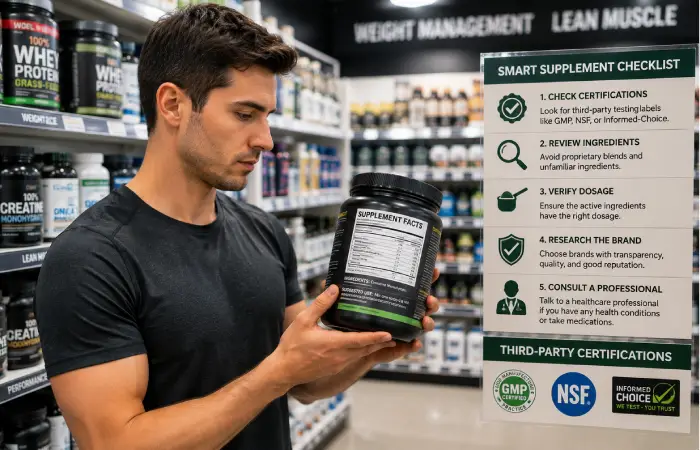
Before purchasing any supplement containing unfamiliar ingredients, take time to evaluate its safety. Consider the following checklist:
- Read the complete ingredient list and avoid undisclosed proprietary blends.
- Look for third-party testing or quality certifications.
- Research the manufacturer and its reputation.
- Check whether human clinical studies support the ingredient’s safety and effectiveness.
- Verify the recommended dosage and usage instructions.
- Speak with a healthcare professional if you have underlying medical conditions or take prescription medications.
Following these steps can help reduce the likelihood of purchasing products that contain poorly researched or potentially unsafe ingredients.
Identifying Health Concerns and Systemic Side Effects
Human physiological responses vary significantly from person to person. An ingredient that causes no obvious discomfort in one individual might trigger pronounced metabolic stress or allergic reactions in another. When assessing the overall risk of hobrevibbumin, learning to recognize early physiological red flags is your best defense against lasting bodily harm.
The human body provides clear warning signs when exposed to toxic, irritating, or incompatible substances. Recognizing minor symptoms early prevents small intolerances from escalating into persistent medical challenges.
Physical Warning Signs and Symptoms
If you begin taking an unfamiliar sports supplement or wellness formula and experience any of the following reactions, stop taking the product immediately:
- Gastrointestinal Disruption: Persistent stomach cramps, sudden nausea, upper abdominal pain, acid reflux, or unexplained shifts in bowel habits. The gut is typically the first system to react to harmful compounds.
- Central Nervous System Distress: Sudden onset headaches, unexplained anxiety, body tremors, racing heart rate, elevated blood pressure, or persistent insomnia. These signs often point to undisclosed stimulants or neural modulators.
- Dermatological and Allergic Responses: Localized skin rashes, flushing, unexplained itching, hives, or minor facial swelling. These symptoms reflect an acute immune response to the primary ingredient or underlying manufacturing contaminants.
- Renal and Hepatic Overload: Abnormally dark urine, constant fatigue, fluid retention in the ankles, or persistent, unquenchable thirst. These markers suggest that your kidneys and liver are struggling to filter metabolic byproducts.
Managing the risk of hobrevibbumin means respecting your body’s clear warnings. If acute or painful symptoms emerge, consult a licensed physician or medical practitioner promptly. For more related articles visit our website
Potential Risks of Using Unverified Supplement Ingredients
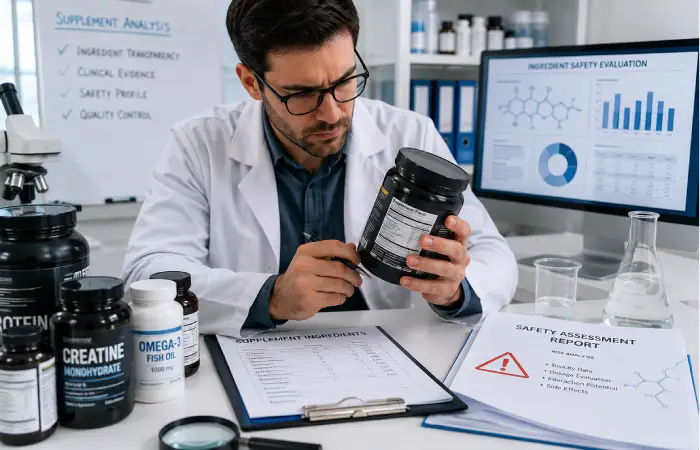
When a compound lacks sufficient research, it becomes difficult to evaluate its safety profile. Some general concerns associated with poorly documented supplement ingredients include:
- Unknown short-term and long-term safety
- Potential allergic reactions
- Digestive discomfort
- Interactions with prescription medications
- Inconsistent ingredient quality
- Mislabeling or contamination
These risks are not specific to Hobrevibbumin but apply broadly to supplements that have not undergone adequate scientific evaluation.
Why Scientific Research Matters
Reliable health decisions should be based on evidence rather than advertising.
Before considering any supplement, look for:
- Human clinical trials
- Peer-reviewed research
- Independent laboratory testing
- Transparent ingredient labeling
- Regulatory compliance
- Manufacturer quality certifications
Without these factors, assessing effectiveness and safety becomes difficult.
Questions to Ask Before Trying Any New Supplement
Before purchasing a product containing an unfamiliar ingredient, ask yourself:
- Can I identify the ingredient in reputable medical literature?
- Does the manufacturer disclose the exact dosage?
- Is there evidence from human clinical studies?
- Has the product been independently tested?
- Has my healthcare provider recommended it?
If the answer to most of these questions is “no,” additional caution is warranted.
Who Should Avoid Unknown Supplement Ingredients?
Certain individuals should be especially cautious when considering supplements containing unfamiliar compounds.
These include:
- Pregnant or breastfeeding women
- Individuals with liver disease
- People with kidney disorders
- Those taking prescription medications
- Individuals with cardiovascular disease
- Anyone under 18 years of age
Medical advice should always be sought before introducing new supplements.
Safer Alternatives for Fitness Goals
Instead of relying on poorly researched compounds, many people focus on evidence-based approaches such as:
- Consuming adequate daily protein
- Following a structured resistance training program
- Getting sufficient sleep
- Maintaining proper hydration
- Using well-studied supplements when appropriate and recommended by a healthcare professional
Final Thoughts
Therefore, if you happen to get hold of merchandise that comprise Hobrevibbumin, ensure to see and have an understanding of whether its exact composition. Unless the product comes with solid, peer-reviewed science to support the claimed use, err on the safe side.
Building lasting health and fitness will rely upon on continuous efforts for training, balanced foods plan and efficient scientific examine supported dietary supplements, somewhat than brand-new constituents that have not really yet demonstrated risk-free profiles.