
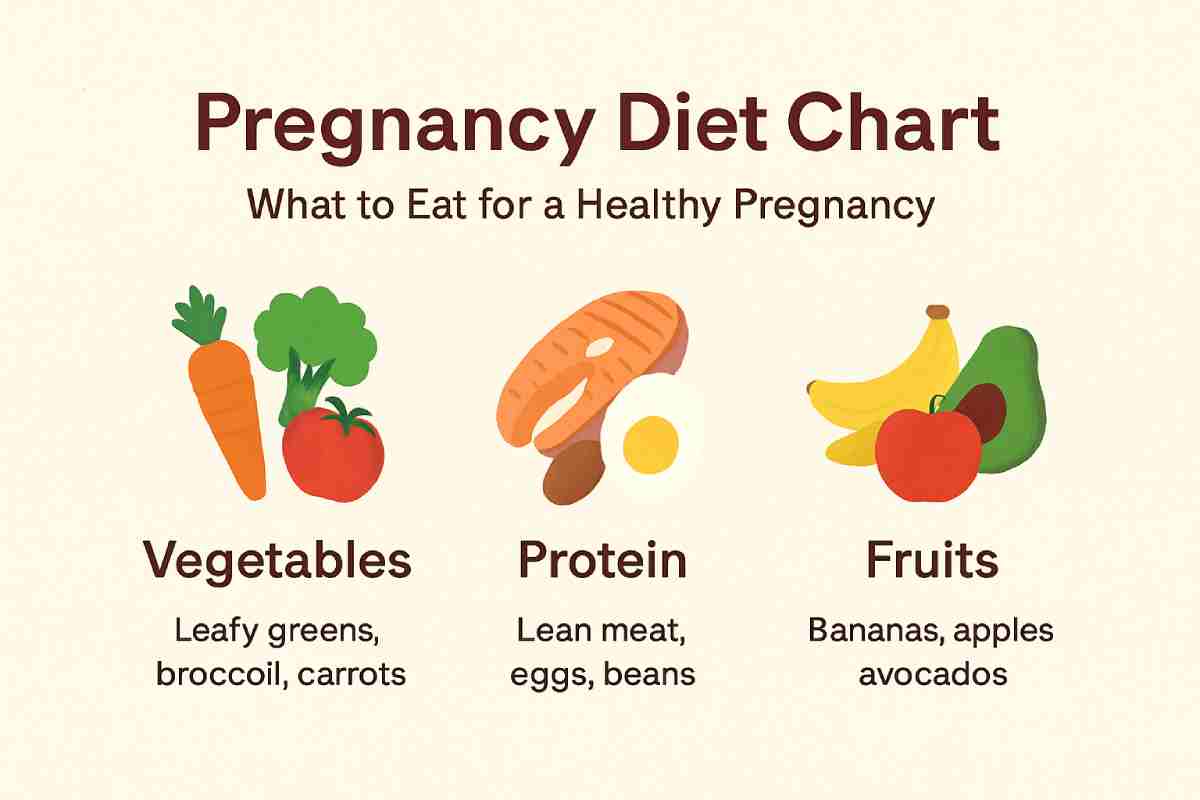
Eating well during pregnancy is one of the most important steps an expecting mother can take for her own health and her baby’s development. As the body undergoes major changes, nutritional needs increase, and the right balance of vitamins, minerals, proteins, and healthy fats becomes essential. A pregnancy diet chart acts as a simple guide to help mothers choose foods that support growth, energy, and well-being throughout all three trimesters.
This article offers a clear, practical, and easy-to-follow pregnancy diet chart along with nutritional tips that expecting mothers can use every day.
Table of Contents
Why a Pregnancy Diet Chart Is Important
Pregnancy is a time when both the mother and baby rely on proper nutrition. A balanced eating plan helps:
-
support the baby’s brain, bone, and organ development
-
reduce the risk of anemia, gestational diabetes, and high blood pressure
-
maintain healthy weight gain
-
improve energy levels and reduce fatigue
-
support immunity for both mother and child
A diet chart helps simplify daily food decisions by listing what to eat and in what proportion, making healthy choices easier.
Key Nutrients Needed During Pregnancy
Before looking at the diet chart, it’s important to know what nutrients matter most:
1. Protein
Supports fetal growth, strengthens muscles, and helps repair tissues.
Sources: eggs, paneer, dals, chicken, fish, beans, milk.
2. Iron
Prevents anemia and helps oxygen reach the baby.
Sources: spinach, beetroot, jaggery, dates, lean meats, ragi.
3. Calcium
Essential for baby’s bones and teeth.
Sources: milk, curd, cheese, sesame seeds, broccoli, almonds.
4. Folate (Folic Acid)
Prevents birth defects and supports early brain development.
Sources: leafy greens, lentils, peas, oranges.
5. Healthy Fats
Supports brain development and hormone balance.
Sources: nuts, seeds, avocados, olive oil, ghee in moderation.
6. Fiber
Helps digestion, prevents constipation.
Sources: fruits, vegetables, whole grains, oats.
7. Omega-3 Fatty Acids
Important for brain and eye development.
Sources: walnuts, chia seeds, flaxseeds, fatty fish (if advised).
Daily Pregnancy Diet Chart (Simple & Practical)
The following chart provides a balanced plan suitable for most expecting mothers. Portions can be adjusted based on appetite, doctor’s advice, or pregnancy conditions.
Early Morning (7:00–7:30 AM)
-
Lukewarm water with lemon or 1 glass of plain warm water
-
5–6 soaked almonds OR 1 tsp soaked chia seeds
-
(Optional) 1 date for natural energy
Benefits: Kick-starts metabolism, supports digestion, and provides healthy fats.
Breakfast (8:30–9:00 AM)
Choose any one of the following:
-
Vegetable poha or upma
-
2 vegetable parathas with curd
-
Oats with milk, nuts, and fruits
-
2 idlis with sambar
-
Whole wheat toast with boiled egg or paneer
Add: 1 glass of milk or a fruit like banana, apple, or papaya.
Benefits: Provides protein, carbs, and essential energy for the day.
Mid-Morning Snack (11:00–11:30 AM)
-
Any seasonal fruit (mango, apple, papaya, guava, orange, berries)
-
Coconut water
-
Handful of nuts or seeds
Benefits: Boosts hydration, improves immunity.
Lunch (1:00–2:00 PM)
A balanced plate should include:
-
1 cup dal or chicken/fish curry
-
1–2 whole wheat chapatis
-
1 bowl cooked vegetables
-
1 small bowl rice or millet (ragi/jowar)
-
Salad (cucumber, carrot, beetroot)
-
1 cup curd
Benefits: Provides proteins, iron, probiotics, and fiber for sustained energy.
Evening Snack (4:00–5:00 PM)
Healthy options:
-
Sprouts chaat
-
Vegetable sandwich
-
Roasted makhana
-
Fruit smoothie
-
Buttermilk
Benefits: Prevents fatigue and keeps blood sugar steady.
Dinner (7:00–8:30 PM)
Dinner should be light and easy to digest:
-
1–2 chapatis with dal and vegetables
-
Khichdi with ghee
-
Soup with whole grains and boiled vegetables
-
Paneer or chicken curry with salad
Benefits: Supports digestion and restful sleep.
Bedtime (9:30–10:00 PM)
-
A glass of warm milk with a pinch of turmeric or cardamom
Benefits: Relaxes the body and supports calcium intake.
Foods Recommended During Pregnancy
-
Fresh fruits and vegetables
-
Whole grains (oats, brown rice, millets)
-
Lentils, pulses, and lean proteins
-
Milk, curd, paneer
-
Nuts and seeds
-
Homemade meals with minimal oil
-
8–10 glasses of water every day
Foods to Limit or Avoid
-
Raw papaya, raw pineapple
-
Excess caffeine
-
Unwashed raw vegetables
-
Soft drinks, energy drinks
-
Excess sweets and bakery items
-
Street food
-
Undercooked meat or eggs
-
Too much oily, spicy food
Helpful Tips for a Healthy Pregnancy Diet
-
Eat small, frequent meals to control nausea.
-
Do not skip breakfast.
-
Choose home-cooked meals over packaged foods.
-
Include iron and folic acid supplements as advised by your doctor.
-
Stay hydrated throughout the day.
-
Add gentle exercises (walking, stretching) if approved by your doctor.
Final Thoughts
A pregnancy diet chart is not just a routine—it’s a way to nourish both the mother and the growing baby. The goal isn’t to eat more, but to eat right. Balanced meals, consistent hydration, the right nutrients, and mindful choices keep the body strong and support healthy fetal development. Every pregnancy is unique, so mothers should always follow personal advice from their doctor or nutritionist, especially if they have conditions like anemia, gestational diabetes, or thyroid disorders.