
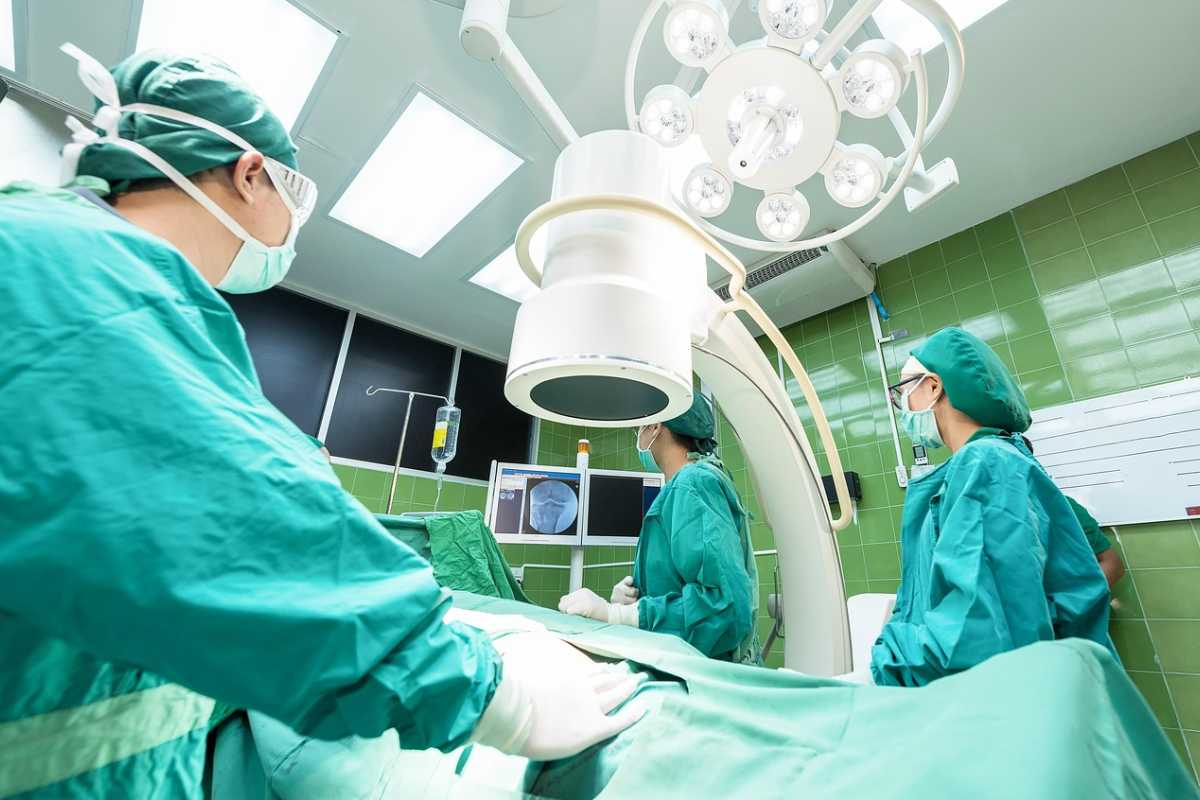
Cataract surgery is one of the most commonly performed and most successful procedures in all of medicine, with millions of operations completed successfully every year. For most patients, the process from diagnosis to clear vision takes a matter of weeks, and the procedure itself is completed in 10 to 15 minutes. Still, knowing what to expect at each step, from the initial consultation through recovery, makes the experience considerably less anxious and the outcomes considerably more predictable.
Table of Contents
Understanding What Cataracts Actually Do
A cataract develops when the natural lens inside the eye gradually clouds and hardens, allowing less light to enter and producing vision that is dimmer, blurrier, and increasingly difficult to correct with glasses or contact lenses. Changing your prescription will not help at a certain point, and LASIK cannot address the problem either, because the issue lies with the lens itself rather than the corneal surface. Surgery to remove the clouded lens and replace it with a clear artificial one is the only effective treatment.
The three most common cataract types are nuclear sclerosis, which develops at the center of the lens and is the most age-related; cortical cataracts, which affect the outer rim and cause significant glare particularly at night; and posterior subcapsular cataracts, which often progress faster and can affect younger patients or those with conditions like diabetes. Knowing which type you have helps set accurate expectations about how your symptoms are likely to progress before surgery.
The Pre-Surgery Consultation
The pre-operative consultation is where your surgeon gathers the clinical measurements that determine exactly which lens implant is right for your eye. Measurements include the curvature and length of the eye, the health of the cornea, and the precise refractive error that the new lens will need to correct.
This appointment is also where the lens implant decision is made. Standard monofocal lenses correct vision at one distance, typically far, meaning reading glasses may still be needed afterward. Specialty intraocular lenses, or IOLs, go considerably further. Advanced multifocal and extended depth-of-focus lenses can correct for near, mid-range, and far vision simultaneously, addressing presbyopia and refractive errors like myopia, hyperopia, and astigmatism in the same procedure. For patients who want to minimize or eliminate their dependence on glasses entirely, the IOL selection discussion is the most important conversation to have before surgery day.
What to Expect on the Day
Cataract procedures at Dr. Besser’s practice are performed at a dedicated ophthalmology surgery center in Beverly Hills. The procedure itself typically takes 10 to 15 minutes per eye. You’ll receive local anesthetic eye drops, and the majority of patients report no pain during the operation. A mild sedative is available for patients who prefer it.
You cannot drive yourself to or from surgery, so arranging transportation in advance is essential. Plan to keep the day clear of work and screens. Most patients notice an improvement in vision within 24 hours, though full stabilization takes a few weeks and complete healing of the eye can take up to a month.
Recovery: What the First Weeks Look Like
The immediate post-operative period involves prescription eye drops on a regular schedule to reduce inflammation and prevent infection. Avoid rubbing or pressing on the eye, keep water out during washing, and wear the protective shield provided when sleeping for the first week. Avoid strenuous activity, swimming, and dusty environments until your surgeon confirms healing is progressing well.
Most patients return to light daily activity within one to two days. Vision may fluctuate slightly in the first week as the eye adjusts to the new lens before settling into its final, corrected state.
Choosing the Right Surgeon in Los Angeles
The surgeon’s experience and the quality of their pre-operative measurements are the two variables most directly connected to cataract surgery outcomes. Dr. Eduardo Besser has performed thousands of successful procedures in the Los Angeles area, with a practice built on precision, personalized lens selection, and clear patient communication at every stage.
Whether you are into finding a reliable cataract surgeon in Los Angeles whose experience and outcomes speak for themselves, want to explore LASIK in Los Angeles as a vision correction option before or alongside cataract evaluation, or are ready to schedule your consultation with Eduardo Besser MD for cataract surgery, the next step toward clearer vision starts with a single appointment.
Also Read: Common Vision Problems in Your 40s and 50s – And How Modern Eye Surgery Can Help