
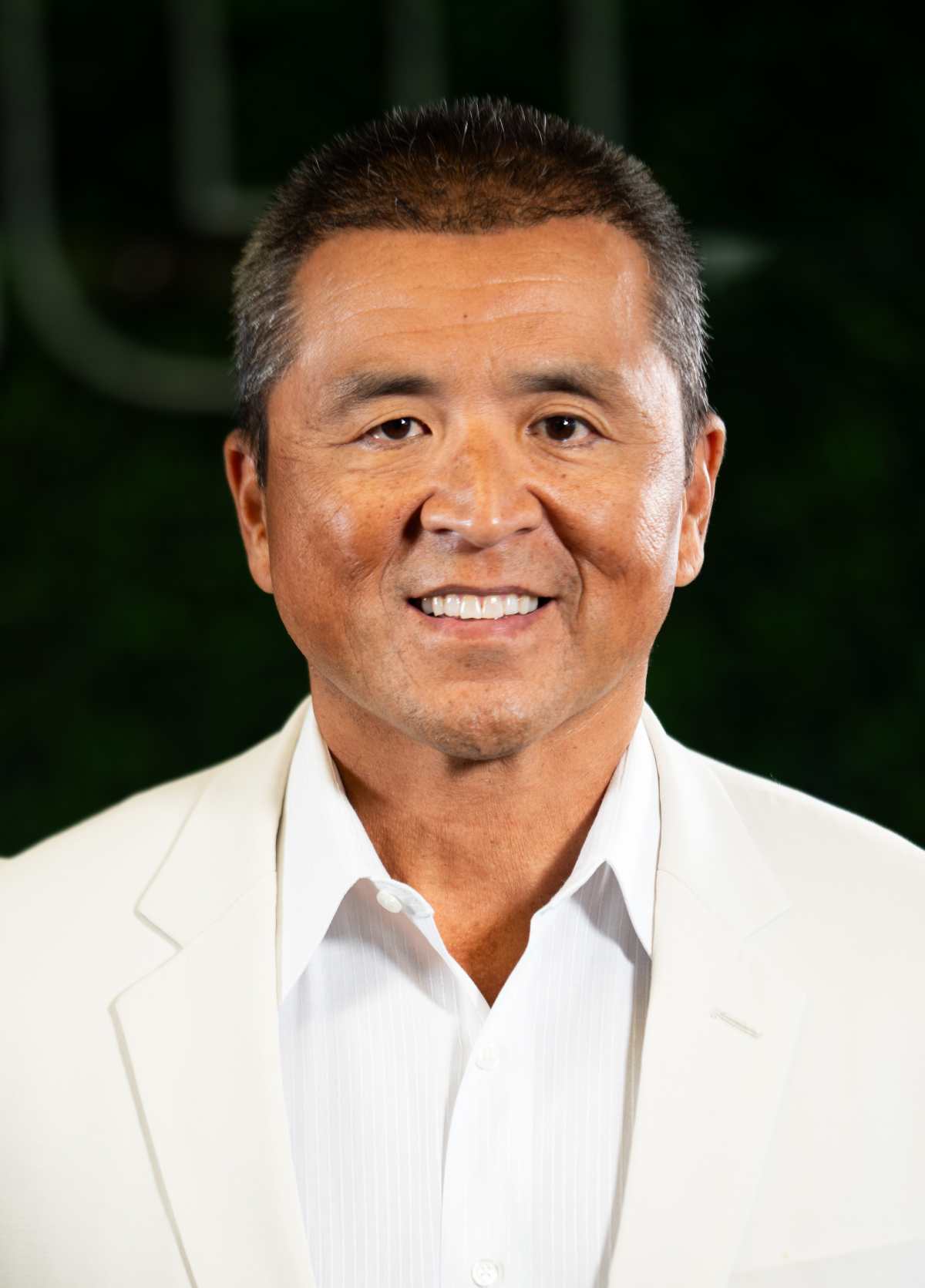
In a world where time is one of the most valuable currencies, the way we approach healing is beginning to change. Long recovery periods, invasive procedures, and delayed results are increasingly at odds with how people live and perform today. At the center of this shift is Dr. Thomas “Tommy” Rhee, a sports chiropractor, U.S. Navy veteran, and founder of RheeGen®, who is helping redefine what recovery can look like.
For Dr. Rhee, the mission has always been rooted in a simple but powerful idea: the body, when supported correctly, is capable of far more than traditional models of care often allow.
“I was drawn to a form of medicine that respects the body’s ability to heal,” Dr. Rhee explains. “The goal isn’t to override the system, it’s to support it in a way that restores function safely and effectively.”
That philosophy has guided him through nearly two decades of work across some of the most demanding environments imaginable. From treating elite athletes at the highest levels of competition to working with individuals navigating chronic pain, Dr. Rhee has built a reputation for combining precision with innovation.
“The expectations may differ, but the fundamentals don’t,” he says. “Whether it’s a professional athlete or someone trying to stay active, the objective is always the same – restore movement, reduce stress on the body, and create long-term resilience.”
His background, however, extends beyond medicine. Before fully stepping into clinical practice, Dr. Rhee served as an aircrew aviator in the U.S. Navy, an experience that continues to shape how he approaches both treatment and innovation.
“In aviation, there’s no margin for error,” he says. “You rely on systems, preparation, and discipline. That mindset translates directly into patient care. Every decision matters, and safety is always the priority.”
That disciplined approach became especially important during his work in elite sports, where recovery timelines are compressed and performance demands are relentless. Athletes, he explains, don’t have the luxury of waiting for healing to take its course without guidance.
“Recovery has to be efficient, but it also has to be smart,” Dr. Rhee notes. “You can’t sacrifice long-term health for short-term results. The challenge is finding that balance.”
It was this challenge that ultimately led to one of the most defining moments of his career. Faced with an athlete dealing with a severe Achilles injury, one that traditionally would have required significant downtime, Dr. Rhee began exploring alternative approaches that could support healing without removing the athlete from competition.
“What stood out wasn’t just the improvement in symptoms,” he recalls. “It was the ability to maintain function while the body was recovering. That’s when I realized we needed to think differently about what healing could look like.”
That realization would eventually lead to the development of RheeGen® and his work in Cell-Free Regenerative Medicine, a non-invasive approach that focuses on delivering regenerative signals rather than relying on injections or surgical intervention.
“At its core, it’s about communication within the body,” Dr. Rhee explains. “We’re supporting the signals that guide repair and recovery. When those signals are working properly, the body can do what it’s designed to do.”
For many patients, this represents a significant shift—not just in treatment, but in expectation. Increasingly, people are seeking solutions that allow them to continue living their lives while healing, rather than stepping away from them.
“People don’t want to pause their lives to get better,” he says. “They want solutions that fit into their routines, that allow them to stay active and engaged. That’s where non-invasive approaches can have a real impact.”
At the same time, Dr. Rhee is careful to emphasize that innovation must always be grounded in responsibility. In a field where new technologies and therapies are constantly emerging, he believes that discipline and evidence are critical.
“Innovation has to earn its place,” he says. “It’s not enough for something to be new. It has to be effective, safe, and consistent. Patients deserve that level of care.”
Education, he adds, plays a central role in bridging the gap between innovation and trust.
“Patients today are informed, and they want to understand what’s being done and why,” Dr. Rhee explains. “When you take the time to educate, it builds confidence and leads to better outcomes.”
Looking ahead, he sees regenerative medicine continuing to evolve as part of a more integrated approach to healthcare that prioritizes prevention, performance, and long-term well-being.
“The future of medicine isn’t about replacing what works,” he says. “It’s about improving how we support the body over time. When you combine traditional care with smarter recovery strategies, you create something more effective.”
For Dr. Rhee, the ultimate goal is not just innovation for its own sake, but accessibility.
“Healing shouldn’t be limited to a select group,” he says. “Everyone deserves access to care that helps them move better, feel better, and live without unnecessary limitations.”
As expectations around health and performance continue to evolve, Dr. Tommy Rhee’s work reflects a broader shift toward smarter, more patient-centered care. By combining discipline, innovation, and a deep respect for the body’s natural processes, he is helping shape a future where recovery is not defined by downtime, but by possibility.
Also Read: A Patient’s Guide to Preparing for Cataract Surgery in Los Angeles