
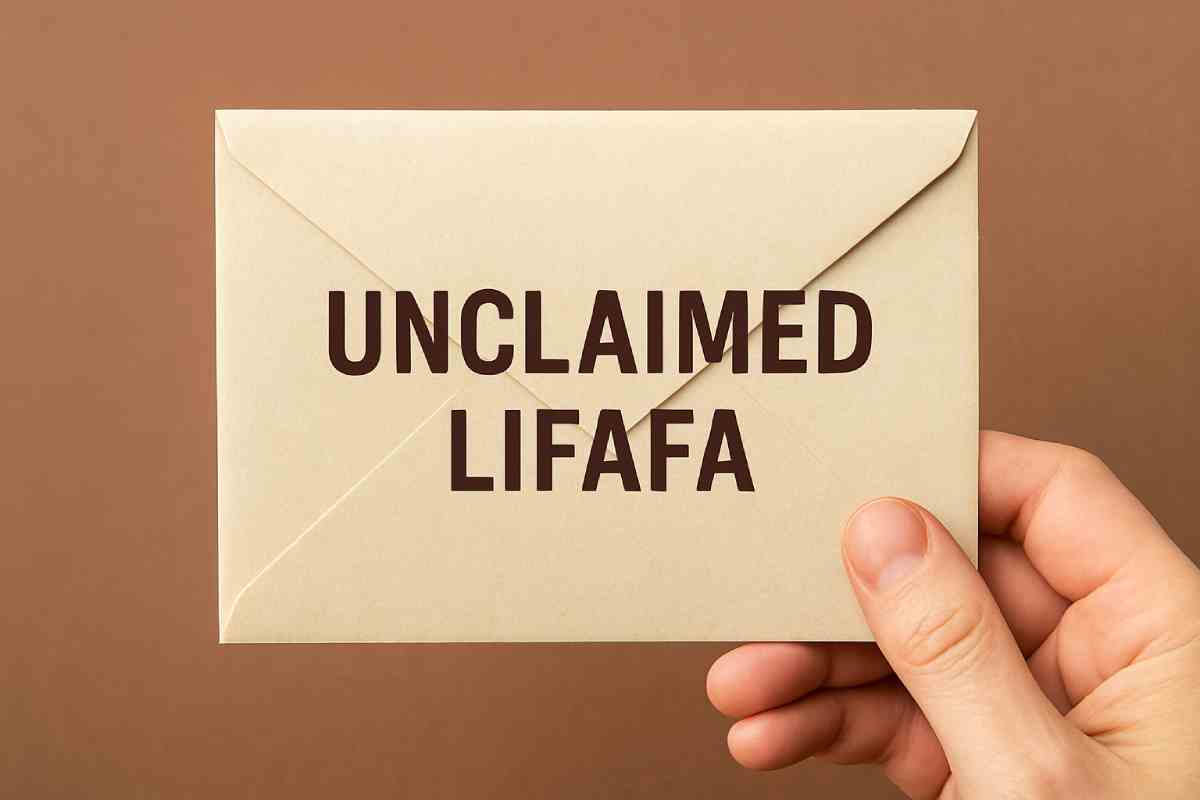
A lifafa for proteiA-it’s much more than an envelope. In every Indian house, every Indian wedding, every Indian festival, every Indian office party, every Indian family gathering, there’s a lifafa, which usually contains something truly dear-a blessing, a sum of money, a nicely hand-written message or a small gesture of regard. It’s simple to see and yet rich with emotion, custom, and memory.
Unclaimed lifafa usually means: a lifafa that was gifted, presented, put aside, or is expected to be given but was not picked up, opened, received or reciprocated in any way. An unclaimed lifafa is the term that can be used either in the case of an actual physical envelope left behind after an occasion, a gift-lifafa that was expected by its recipient but never received, or even a metaphorical concept for an article of value that remains unaddressed and untouched.
It’s subtle in the meaning, but profound in implication. Hesitation, missed opportunities, social distance, mismanagement or sheer clumsiness may be at play in an unclaimed lifafa. But it’s rarely only about the money or the paper itself.
Table of Contents
What Is an Unclaimed Lifafa?
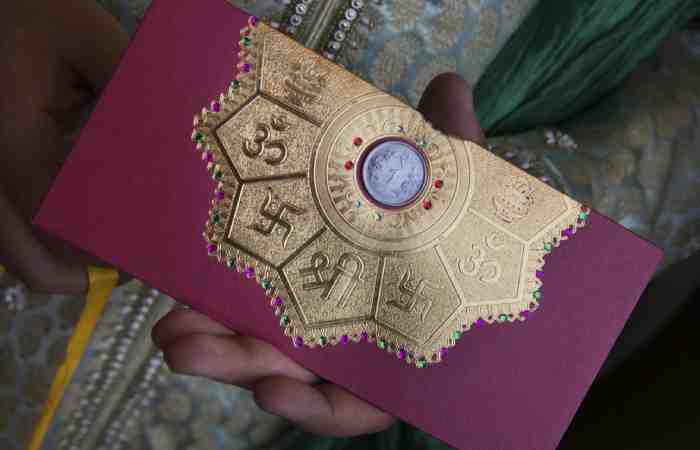
An unclaimed lifafa would mean that an envelope is neither received by its addressee, nor has been opened nor received in a proper manner. In practical life it is occurring in various forms.:
- The return lifafa that was left on the table at a wedding, and forgotten by the guest.
- The festival packet which was kept away, and never actually delivered to anyone.
- The award envelope left at an office function, a cash reward uncollected.
- The gift sent on a family function which never found its recipient, accidentally put back into the drawer.
- Symbolically, it can stand for a gift or offer or chance that wasn’t received.
It varies a little bit depending on the context, but basically it means the same thing: something that is being offered, and not being accepted.
Why Does an Unclaimed Lifafa Happen?
There can be any number of reasons why a lifafa is unclaimed. At times it is because the sender forgot, at times the sender forgot, at times the function was quick, the recipient was out, etc.
Here are some common reasons:
| Reason | What Happens | Common Situation |
| Forgetfulness | The receiver forgets to take it | Weddings, receptions, family functions |
| Miscommunication | No one informs the recipient properly | Office events, invitation events |
| Absence | The person is not present | Festivals, ceremonies, meetings |
| Overcrowding | Too much happening at once | Large social gatherings |
| Privacy | The giver prefers a quiet or indirect gesture | Personal gifts, respectful offerings |
| Administrative delay | The lifafa stays pending in records | Institutional or financial settings |
In real life, such small things often say a lot about how organized, emotional, or fast-paced an occasion was.
The Emotional Significance of a left behind lifafa
Aesthetically, it is simply a small discarded envelope. Emotionally, there can be layers to a lost lifafa: intended gesture that never really connected or landed; preoccupied, preoccupied, preoccupied, or feeling socially clumsy or too busy to accept it; propriety, bashfulness, or family-Correctness,.
Therefore, lifafas are understood to be more than just envelopes with cash-they form part of a code. The collected lifafa reads, “I received your gesture”; the uncollected one, “The moment before the gesture could land passed by”.”
Comparison Table: Claimed Lifafa vs Unclaimed Lifafa
| Feature | Claimed Lifafa | Unclaimed Lifafa |
| Meaning | Successfully received or accepted | Left behind, not received, or not opened |
| Emotional tone | Completed, acknowledged | Pending, forgotten, or incomplete |
| Common setting | Weddings, festivals, gifts, office recognition | Same settings, but with missed exchange |
| Social impact | Creates closure and warmth | May create confusion or a sense of absence |
| Practical value | Used as intended | May remain unused or misplaced |
| Symbolic value | Connection and appreciation | Delay, distance, or missed opportunity |
This table shows that the difference is not only physical. The emotional meaning changes too.
Different Types of Lifafa Situations
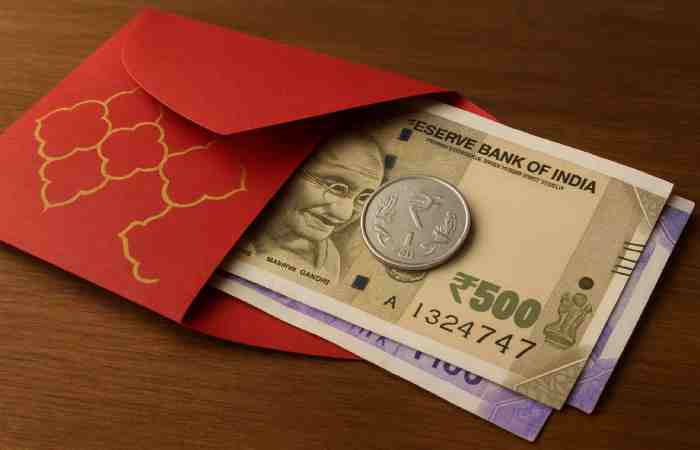
Not every lifafa is the same. In modern life, the idea appears in several forms.
1. Social Lifafa
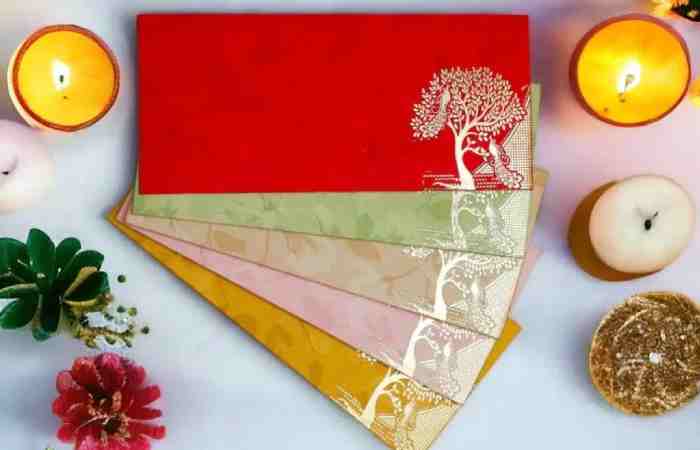
This is the most common type. It includes money envelopes given at weddings, birthdays, engagements, anniversaries, and religious functions. If such an envelope is not collected or acknowledged, it becomes unclaimed.
2. Office Lifafa
Envelopes are sometimes used in the workplace for bonus, gifts of appreciation, gifts of departure, or for festivals. If the employee resigns prior to receiving this or it is overlooked during a handover, the envelope can go unclaimed.
3. Festival Lifafa
It is customary at festivals such as Diwali and Eid to give family gifts or cash or good wishes in envelopes. The sight of an envelope that has been accidentally left behind on a table or in a drawer will not be unusual to many people.
4. Symbolic Lifafa
Here, it’s not about the envelope but the thought behind it. You have done so much for the other person, but have they truly ever been able to take it in? In that context, the ‘lifafa’ remains unclaimed.
Why the Concept Still Matters
In a fast digital world, a lifafa still matters because it is personal. It is handwritten. A digital transfer may be efficient, but a lifafa often feels warmer and more ceremonial.
An unclaimed lifafa matters because it reveals something about modern communication. We feel as close as we can be, but simultaneously distant. We write, we send gifts, we make arrangements and plans but the human moment often goes missed.
Which is why this basic phrase still holds significance. A gift’s value is in its giving but also in whether it’s given and received.
Comparison Table: Physical Lifafa vs Digital Gift Transfer
| Aspect | Physical Lifafa | Digital Gift Transfer |
| Personal touch | High | Moderate |
| Speed | Slower | Very fast |
| Tradition | Strong | Limited |
| Memory value | Often preserved | Usually forgotten sooner |
| Risk of being unclaimed | Possible if misplaced | Lower, but still possible due to account issues |
| Best use | Ceremonies, festivals, family events | Quick gifting, remote occasions |
Both methods have value. The physical lifafa carries charm and tradition, while digital gifting brings convenience. The unclaimed lifafa issue is more common in physical settings, especially when events are busy or informal.
What Makes a Lifafa Feel Special?
A lifafa feels special not because of the envelope itself, but because of what it represents. It may hold money, but it also holds respect. It may contain a note, but it also carries intention.
A well-prepared lifafa often includes:
- Neat handwriting
- A thoughtful message
- Proper timing
- The right occasion
- Respectful presentation
In their presence, even the most mundane envelope leaves an impression. When they are absent, the sentiment may appear vacant, and at times, undelivered.
How not to have an Unclaimed Lifafa scenario
In a real-life situation, this is typically about improved management and clear communication. Small, everyday practices are sufficient to limit the chances of an envelope going astray.
Helpful practices
- Keep envelopes in one clear place.
- Label them when needed.
- Hand them over personally.
- Confirm receipt when the occasion matters.
- Avoid placing them where they can be missed.
- On bigger events there should be just one accountable person for it.
Those small steps can take the effect especially on wedding or family parties where there is really so much to do on once.
Comparison Table: Common Causes and Simple Fixes
| Cause of Unclaimed Lifafa | Simple Fix |
| Envelope misplaced | Use a designated gift table |
| Recipient forgot to collect it | Give a gentle reminder |
| Event was too crowded | Assign a helper or coordinator |
| Names mixed up | Label clearly |
| Timing was wrong | Hand it over during a quiet moment |
| No confirmation | Verify receipt discreetly |
This table is useful because most unclaimed lifafa situations are not complicated. They happen because of timing, distraction, or lack of structure.
The Symbolism of an Unclaimed Lifafa
There is also a deeper side to the phrase. Symbolically, an unclaimed lifafa can stand for:
- A missed opportunity
- An unsaid thank-you
- A relationship that was never fully built
- A gift that was meant well but not received properly
- A moment of kindness that did not reach its destination
That is why the phrase can feel poetic. It carries a sense of something waiting, something paused, something unfinished.
Why People Search for “Unclaimed Lifafa”
People may search this term for different reasons. Some are looking for its meaning. The point of another post may be an attempt to make sense of a phrase that relates to social and cultural concepts. Perhaps one reader needs article ideas or stories, a human take on a blog post.
This phrase has captured my interest because it is brief, yet loaded. It combines tradition, memory, communication, and feeling in an almost ridiculously small utterance.
Final Thoughts
Not just a discarded envelope that was forgotten, an unclaimed lifafa carries a whole lot of meaning relating to timing, thoughtfulness and humanity. In practical terms, it could simply be an unreceived money gift, an envelope that wasn’t collected or something that was never properly passed on. On a higher level it could signify a missed connection, a part-received transaction, a moment which deserved more attention.